


In the Kenya Biogas Program project in Kenya, we are working together with our project partner ABPL (African Bioenergy Programs Ltd). In this post, you can read about the project’s activities in 2024 and the impact it has had so far on the Sustainable Development Goals (SDGs).
In 2024, the biogas project in Kenya expanded beyond being just a sustainable energy project. Together with our project partner, Africa Bioenergy Program Limited (ABPL), we invested not only in clean energy but also in strong local communities and sustainable agriculture.
Users take the initiative themselves
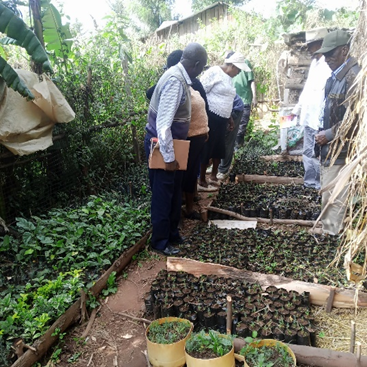
A key milestone was the establishment of 66 Community-Based Organisations (CBOs). These local organisations consist of biogas users who take joint responsibility for the management and further expansion of the project.
By organising themselves, users can more easily apply for new biogas installations, arrange maintenance and engage local technicians. In this way, not only is the number of installations growing, but so too is the communities’ self-reliance.
Investing in knowledge
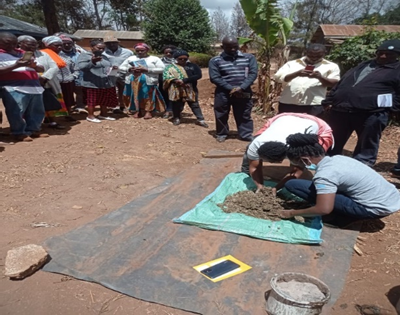
Effective guidance remains essential for a successful biogas project. That is why, in 2024, ABPL organised various training courses for end-users, bricklayers and its own staff.
The training sessions focused on the installation and maintenance of biogas digesters, the optimal use of biogas and the responsible application of bio-slurry as a natural fertiliser. In addition, participants gained a better understanding of how the carbon credit programme works and the benefits of sustainable agriculture.
More than just clean cooking
The project delivers much more than just clean energy. In 2024, new initiatives emerged within various CBOs that are helping to create a stronger and more sustainable agricultural system.
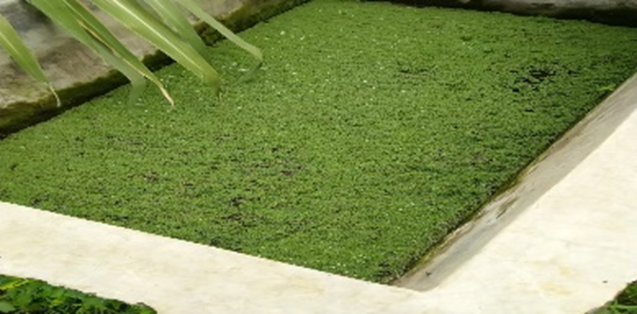
For example, farmers are experimenting with growing Azolla, a protein-rich aquatic plant that can be used as natural livestock feed. Bio-slurry – the nutrient-rich by-product from the biogas plant – is also increasingly being used to improve soil quality.
By first fermenting manure, biogas is produced for domestic use. The remaining bio-slurry is then used as an organic fertiliser, making the soil healthier and helping crops to grow better. This creates a circular system in which waste becomes a valuable raw material.
Outlook
With strong local organisations, hundreds of trained participants and new initiatives centred on sustainable agriculture, 2024 demonstrated that biogas goes far beyond simply providing a clean source of cooking fuel. The project thus laid a solid foundation for the next phase, which would focus on certification, knowledge-sharing and further upscaling.
